Rail Transit & Station Media Platform

Train & Station Transit Media, Planned for Your Budget.

Tell TweakSea your goal and budget. Our platform analyzes how your product, service, or brand fits transit media, evaluates competition, and tracks live inventory across 500+ lines — which slots are open, what they cost, what they deliver — then builds the plan that wastes nothing. Our team crafts every creative to belong: tuned to local culture and demographics so your message feels like a natural part of the passenger journey instead of interrupting it.

60M+daily rail passengers across key networks
47prefectures on the rail map
500+ linesanalyzed for your budget
173.6B¥Annual rail transit advertising spend, 2025Source: Dentsu advertising expenditure report
+8.6%Year-on-year growth of transit adsAmong the fastest-growing OOH & DOOH categories
¥2Mone week on Yamanote's Madoka Channel, at rate cardSource: jeki — flagships price out SME budgets
64%of every digital ad dollar never reaches a viewerSource: ANA programmatic supply-chain study

Network coverage & estimates

Target high-density foot traffic, from flagship hubs to local catchments.

Benchmark typical weekly media rates and daily footfall across major operators. We help SMEs find high-reach inventory without paying flagship rate cards.

Tokyo Metropolitan Hub

JR East · Tokyo Metro
Yamanote Line Digital ScreensMadoka Channel (3 screens/car)¥1.8M – ¥2.0M/week
Shinjuku & Shibuya PillarsConcourse high-density video¥750K – ¥1.2M/week
Commuter Nakatsuri PostersHanging poster sets across line¥380K – ¥650K/week

Chubu & Nagoya Hub

Meitetsu · City Subway
Nagoya Station Grand ConcourseMain transit hall LED screens¥320K – ¥550K/week
Higashiyama Line Door StickersPrime SME awareness format¥110K – ¥220K/month
Station Exit Catchment PostersB1 posters near turnstiles¥40K – ¥85K/week

Kansai Commercial Hub

Osaka Metro · Hankyu
Umeda & Namba Mega DisplaysCentral passenger interchanges¥580K – ¥920K/week
Midosuji Line In-Train VideoCross-city commercial corridor¥360K – ¥680K/week
Regional Commuter SetsKyoto & Kobe feeder lines¥75K – ¥150K/week

Regional & Resort Gateways

Hokkaido · Okinawa · Kyushu
Sapporo Subway & Airport ExpressHokkaido tourism & Niseko feeder¥120K – ¥260K/week
Okinawa Yui Rail MonorailNaha Airport beach resort screens¥55K – ¥110K/month
Fukuoka Subway & Hakata MegahubKyushu international gateway & Tenjin¥75K – ¥160K/week

The problem

High-impact rail inventory is locked behind legacy bureaucracy.

Millions of commuters view train media daily. But transit ad buying was built for legacy agencies and domestic cartels — opaque specs, language barriers, and prime station boards that burn SME budgets.

01

Creative costs are separate

Media owners sell the slot; design and video production are billed separately by agencies. A campaign means two vendors, two timelines, two invoices.

02

Every format has its own spec

Nakatsuri poster dimensions, 15-second silent video for Train Channel, Madoka Channel layouts — plus each railway's design regulations and a 10-business-day submission deadline. One wrong spec and you miss your slot.

03

Closed domestic booking channels

Booking workflows, spec sheets, and strict railway screening are gatekept by domestic agency subsidiaries. International and agile brands cannot self-serve.

The product

Tell us your goal. We plan the rest.

TweakSea combines data-driven media planning with hands-on creative production, purpose-built for commuter rail networks — so you never pay for the wrong station.

Input

Share your goal & budget

Drop your product URL, target audience and budget. We evaluate how well your product fits transit media and size up the competition.

Analyze

We plan your media

Get a ranked recommendation of stations, lines and formats by expected reach per yen — premium flagships only when they're actually worth it.

Deliver

Creatives that belong

Our team crafts every creative to belong — posters and station boards in Japanese and English, tuned to rider demographics and line character. Every station concourse and commuter line has its distinct audience — your ad becomes a natural part of the passenger journey. Every file is checked against official railway design regulations and delivered booking-ready.

✦

Continuous AI Innovation. We integrate state-of-the-art AI tools and continuously evolve our models to power deep transit analysis — synthesizing commuter demographics, real-time vacancy rates, and bilingual advertising compliance. Our local team then refines each creative to ensure authentic cultural resonance across Japan’s rail network.

Inventory intelligence

Empty boards are opportunities — on both sides.

Every week, premium ad slots sit unsold across commuter stations — while growing brands a few stops away get priced out by rate cards. TweakSea monitors real-time vacancies and closes the gap.

01

Spot the vacancies

We track which station boards and in-train slots are open, at what rates, and when — across the lines that matter to you.

02

Score on economics

Every vacancy is scored against your goal, audience and budget. A flagship board at a quiet hour can beat a standard slot at rush — we show you the math before you spend.

03

Fill the gap

We connect matched advertisers with media owners to place the buy — empty boards earn, and small brands reach commuters they'd never otherwise afford.

Ongoing optimization

Launch is day one.

Transit campaigns run for weeks. We stay on them — reviewing performance, tracking the market, and shifting budget while your ads are live.

01

Creative idea consulting

Stuck on the concept? We workshop angles with you — seasonal hooks, local nuances, formats you haven't tried.

02

Reviews on your rhythm

Weekly, monthly or quarterly check-ins on what's working — impressions, response signals, spend efficiency — in plain language, not jargon.

03

Market & weather tracking

We watch competitor moves, local events, even weather and seasons. A heatwave changes what sells — your media plan should change with it.

04

Live budget re-allocation

When a slot underperforms or a discounted vacancy opens, we shift your spend mid-flight. No wasted weeks.

Ad formats

Every surface commuters actually look at.

From Shinjuku concourses to regional commuter lines — we produce creatives for the high-impact formats that define transit media, each to official operator specifications.
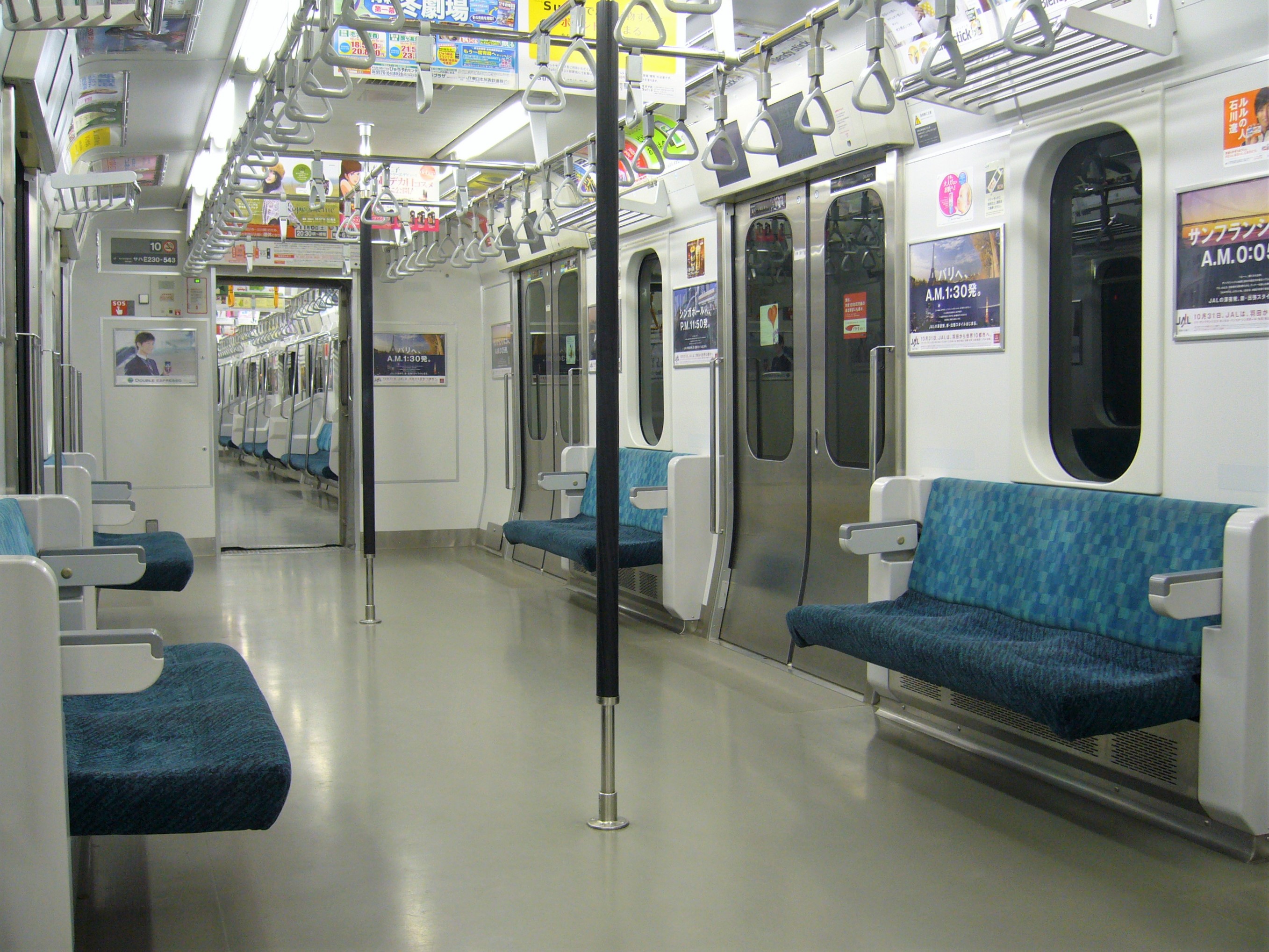
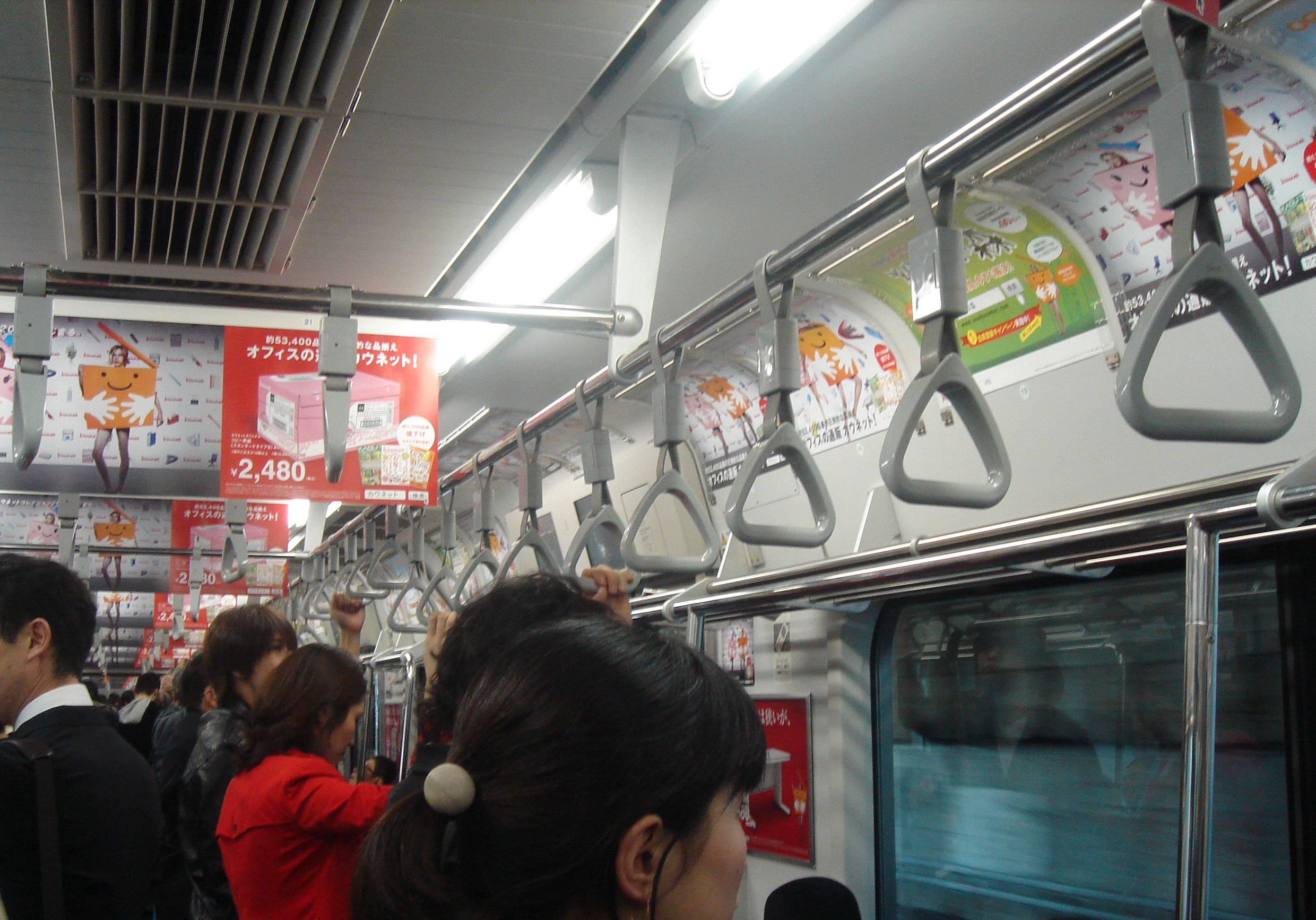
Inside a Japanese commuter train with hanging ads

Hanging & door posters

The iconic hanging posters swaying above passenger seats — proven, highest-recall format in commuter rail.

Print-ready · exact railway dimensions
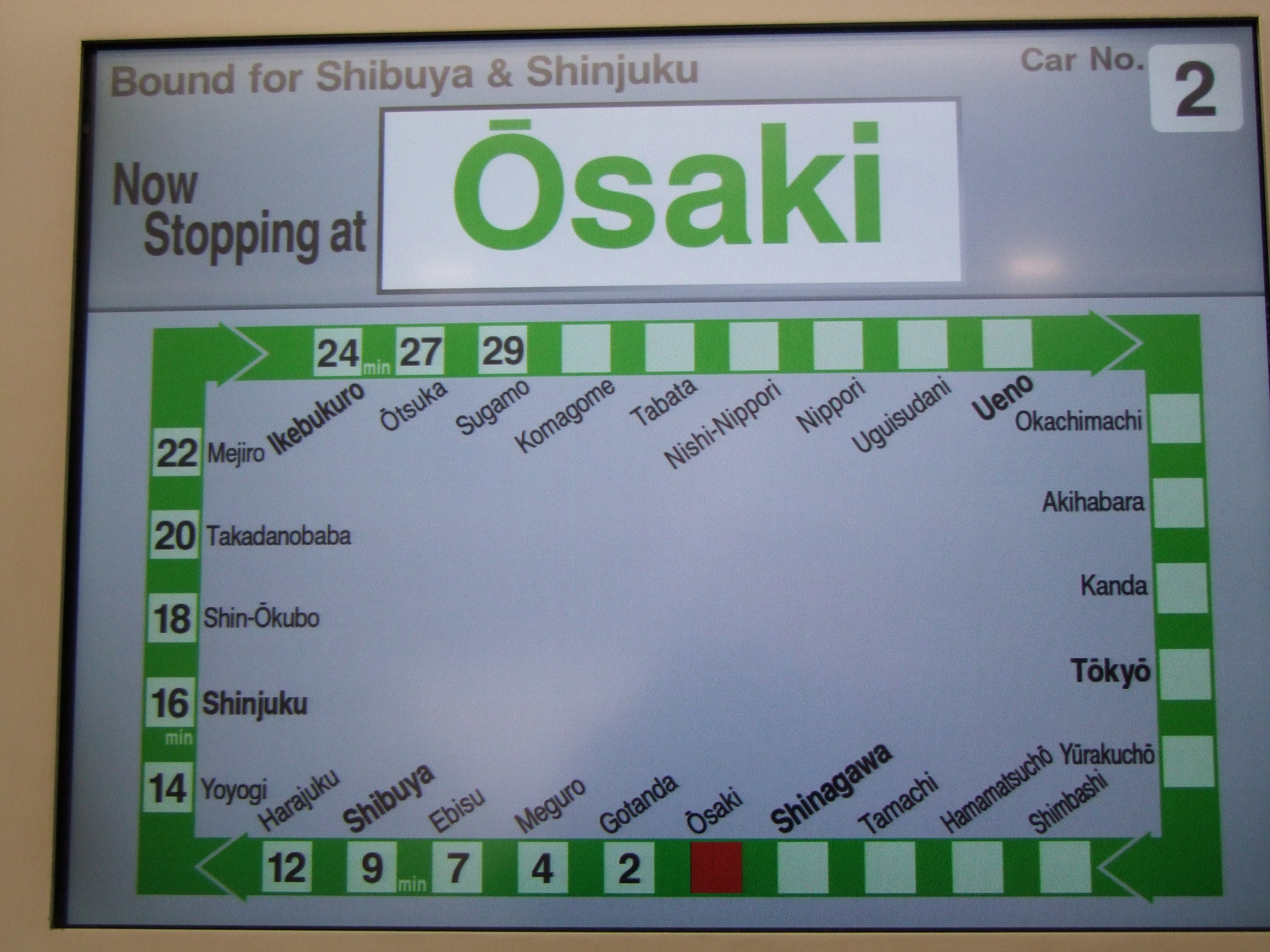
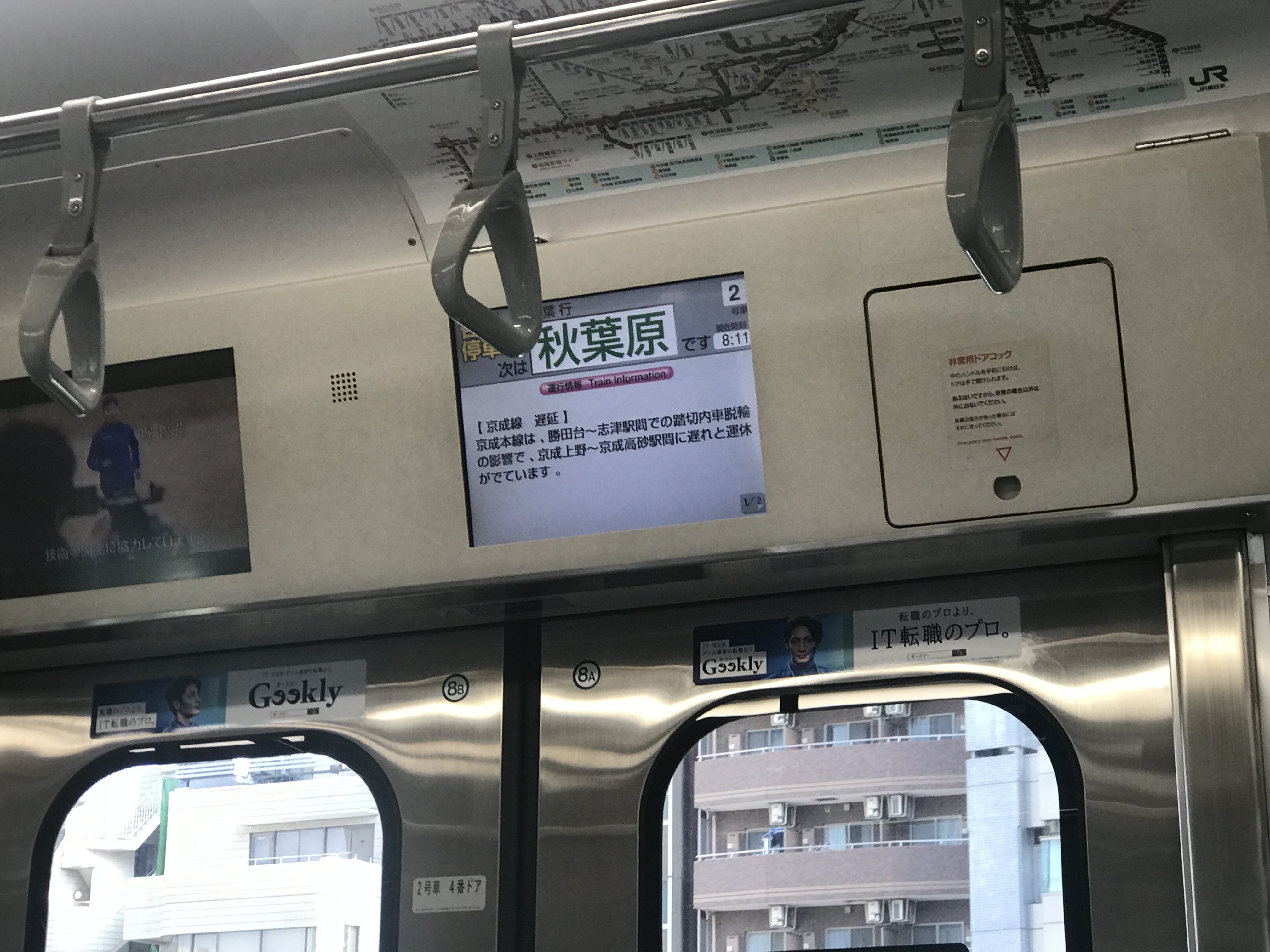
Digital screen inside a Japanese train

In-train digital video

Train Channel and Madoka Channel screens — 15-second silent spots across entire lines like the Yamanote.

15s · no audio · line-wide broadcast
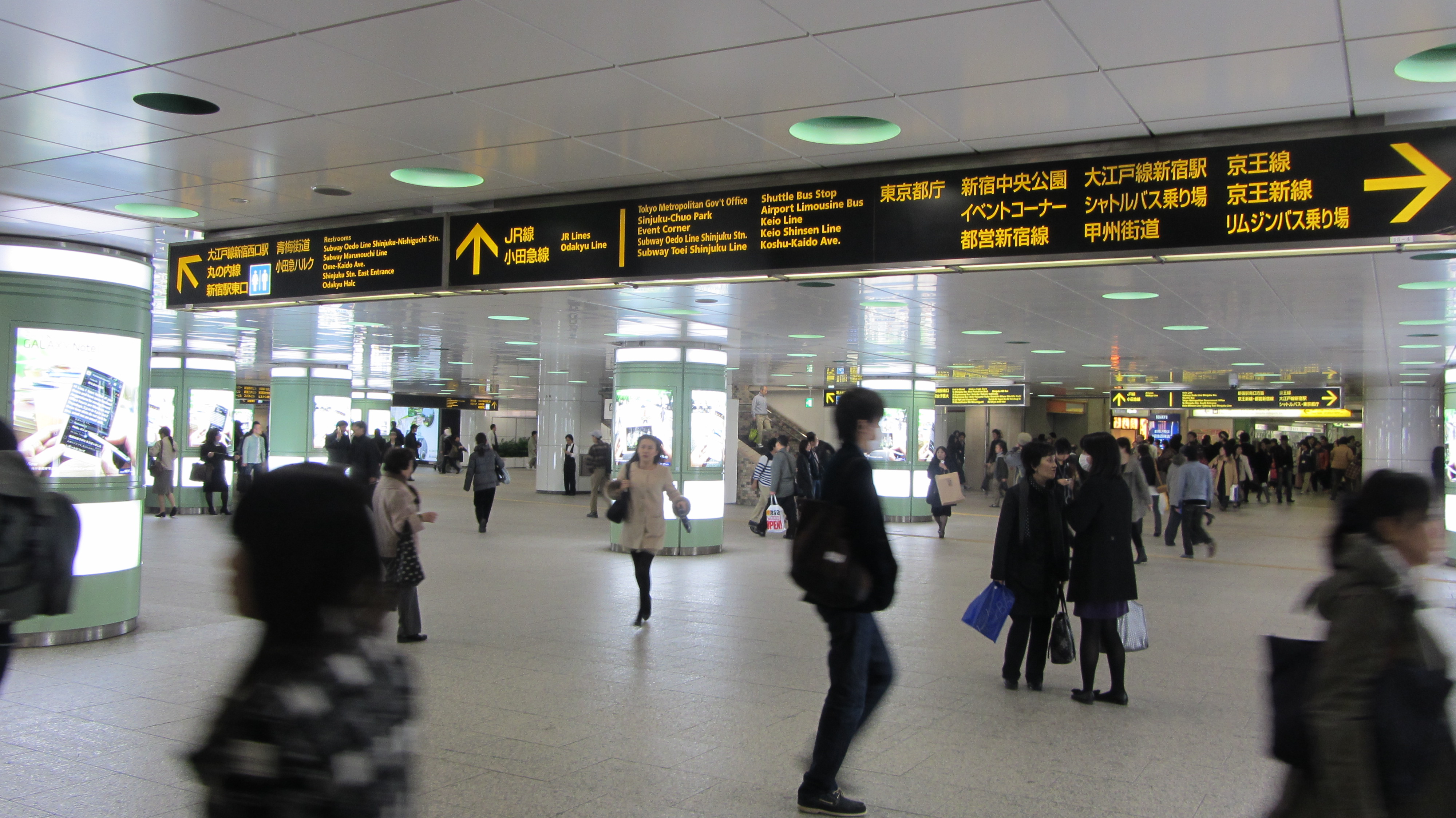
Digital signage inside a Japanese station

Station digital signage

Concourse screens, pillar wraps and platform boards in stations moving millions daily.

DOOH-ready · programmatic compatible
Advertisement-wrapped train in Japan

Full-train wrapping

Complete train wrap takeover — the highest-impact canvas in commuter transit media.

Campaign concept + key visuals
Busy Shinjuku station concourse

Cheering ads

Fan-funded celebration ads for artists and idols — a fast-growing category with standardized products.

Template-driven · fast turnaround
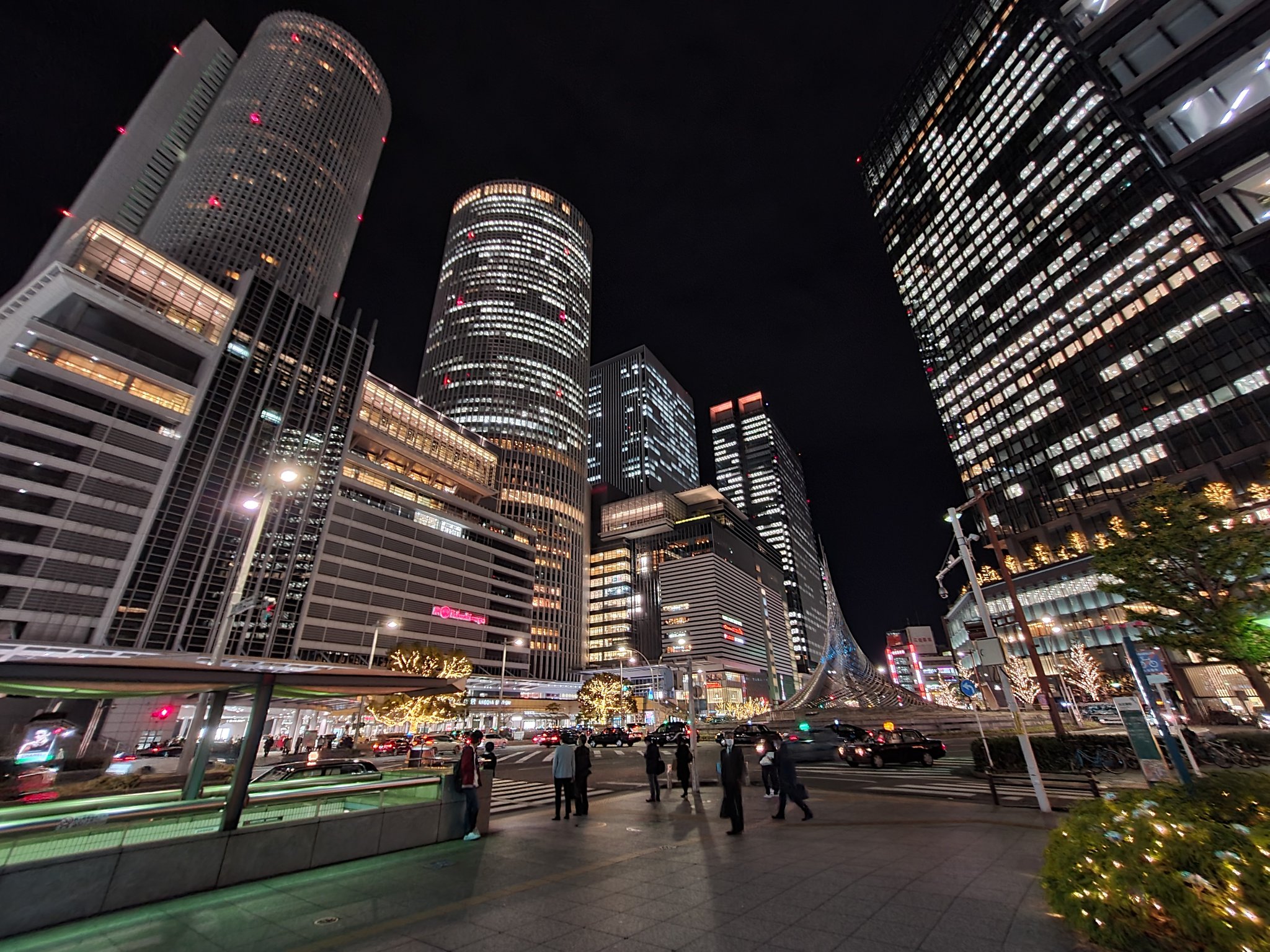
Nagoya station at night

Regional lines

Affordable inventory beyond Tokyo and Osaka — we match SME budgets to the right lines and stations.

Budget-matched media planning

Station advertising displays in Japan

Compliance, automated

Spec sheets are our love language.

Railway media owners reject creatives that miss their rules. TweakSea checks every file before you ever see it.

  • Exact dimensions, safe areas and file formats per railway
  • Silent-video rules for in-train channels (no audio tracks)
  • Design regulation screening — prohibited expressions flagged early
  • Submission-deadline tracking (10 business days before broadcast)
  • Japanese copy review: keigo, kanji usage and ad-expression norms

Pricing

Pricing that knows every station is different.

A flat fee can't be fair when one station moves 3 million people a day and another moves 3,000. Our pricing is computed from the same data we plan with — never a flat guess. Media buying itself is billed separately by the railway.

Starter

¥49,800 / campaign

For your first transit campaign.

  • Data-backed media plan
  • Ranked stations & formats
  • 1 concept, 1 format creative
  • Japanese + English copy
  • Spec & compliance check, 48-hour delivery
Start a campaign
MOST POPULAR

Growth

5% of media spend

Priced from your campaign's data.

  • Everything in Starter
  • Vacancy radar monitoring
  • Up to 5 formats, 2 concepts
  • Priority 24-hour delivery
  • Booking guide + 2 revision rounds
Scale with us

Studio

Custom

For agencies and high-volume brands.

  • White-label for agencies
  • API access for bulk briefs
  • Dedicated art direction
  • Cheering-ad template packs
Talk to us

How your price is computed

The five signals behind every TweakSea plan.

01Projected impressionsStation foot traffic × format visibility
02Audience spending powerCatchment income & spending data
03Category interestHow much this line's riders care about your category
04Competition densityHow crowded your category already is there
05Vacancy discountOpen slots we fill below rate card

About

Independent media planning & creative compliance for rail transit.

TweakSea was founded in Nagoya in 2025 with a clear mission: high-density commuter rail media delivers unmatched attention, but buying and producing for it has been locked behind legacy barriers. We build the software and creative layer that opens this inventory to all ambitious brands.

2025Founded in Nagoya, Aichi
6Transit ad formats, each to official spec
EN / JPBilingual creative production
24hStandard creative turnaround
Nagoya station at night — TweakSea's home city
Verified Pilot Case Study

Tokai Hospitality Group · Nagoya Grand Concourse & Shinjuku

Inbound regional campaign targeting international travelers during peak autumn corridor.

-35% Rate Card Cost
48 Hours Approval Clearance
820K+ Daily Commuters

“TweakSea helped our regional hospitality brand secure high-impact concourse LED boards at Nagoya and Shinjuku stations at 35% below initial rate cards, delivering compliant bilingual creatives through official railway review in 48 hours.”

K. Takahashi — Head of Inbound Marketing, Tokai Hospitality Group

Leadership & Advisory · STATION Ai Hub

KS

Kenji Sato (佐藤 健司)

Co-founder & Chief Systems Architect

Nagoya University engineering alumnus. Former programmatic ad infrastructure engineer specializing in real-time transit vacancy routing and rate optimization algorithms.

EV

Elena Vance

Head of International Media & Compliance

8+ years guiding cross-border brands through Japanese transit media regulations (jeki, Tokyo Metro, Meitetsu). Specialist in bilingual copy and railway design compliance.

FAQ

Questions every advertiser asks.

Direct answers about transit ad buying, compliance, and budgeting — the exact questions SME founders and overseas marketing leads ask us every week.

How much does it cost to advertise on commuter rail networks?
It depends on the line and format. A week on JR East's Yamanote Line digital screens (Madoka Channel) is listed at ¥2,000,000 before tax; hanging-poster (nakatsuri) sets on major lines start far lower, and regional lines cheaper still. TweakSea's planning engine matches your budget to the inventory with the best reach per yen — tell us the budget, we'll show you the math.
How do I book a nakatsuri hanging-poster ad?
In-train ads are sold by each railway's advertising arm — e.g. jeki (JR East Marketing & Communications) for JR East lines — usually as line-wide sets, not per train. You'll need print-ready files to exact dimensions, compliant with the railway's design regulations, submitted about 10 business days before display. TweakSea produces the files and guides the booking.
Can a foreign company advertise in Japanese trains and stations?
Yes. There is no nationality requirement — but booking flows, spec sheets and compliance rules run in Japanese through domestic agencies. That's exactly the gap TweakSea fills: brief us in English, we deliver compliant creatives and a booking-ready plan.
What ad formats exist inside commuter trains and stations?
The classics: nakatsuri hanging posters, door-side and window posters, and stickers. The digital layer: Train Channel (LCDs above doors) and Madoka Channel (triple 21.5" screens), plus full-train wrapping for flagship campaigns.
How far in advance do I need to book?
Creative files are typically due about 10 business days before the broadcast start date, and popular slots sell out earlier. As a rule of thumb, start planning 4–6 weeks ahead; TweakSea's standard creative turnaround is 24–48 hours once we have your brief.
What is a cheering ad (応援広告)?
Fan-funded ads celebrating an artist or idol, displayed in stations and trains — a fast-growing category in Japan with standardized, bookable products. TweakSea offers template-driven production with fast turnaround for fan groups.

Official Rail Network Access & Media Specifications

Direct inventory access across major commuter rail systems.

JR East
JR EastJR East · jeki
Tokyo Metro
Tokyo Metro東京メトロ
JR Central
JR CentralJR東海
Meitetsu
Meitetsu名古屋鉄道
Osaka Metro
Osaka Metro大阪メトロ
Tokyu Lines
Tokyu Lines東急電鉄
Toei Subway
Toei Subway都営交通
Hankyu Railway
Hankyu阪急電鉄

All trademarks, railway brand logos, and operator marks are property of their respective corporations. TweakSea is an independent media planning engine that coordinates inventory access via accredited concessionaires (e.g. jeki, Metro Ad Agency) and validates compliance with official railway design standards.

Contact

Launch your campaign across major commuter networks.

Tell us what you're selling and where you'd like to appear. We'll reply within one business day.

Target Rail Region:

Or reach us directly at [email protected]